
Is it too late to start at 60?
No. The UK Chief Medical Officers’ physical activity guidelines recommend muscle-strengthening activity on at least two days a week for adults of every age, with balance work added for older adults. Strength is one of the things that most affects how independent and capable you feel in later life — and it responds to training at any age.
Start lower than you think you need to
The most common mistake is starting too hard. The first weeks are about learning the movements and finding out what your body tolerates. A sensible starting point is a few basic patterns:
- Sit-to-stand or box squat — standing up from a chair is a strength exercise.
- Step-ups onto a low step or box.
- A push — wall or incline press-ups.
- A pull — a band or cable row.
- A carry — walking while holding weights, which trains grip, posture and balance.
Two or three sessions a week, with a rest day between, is plenty to begin.
A first session, step by step
- Warm-up — five to ten minutes of easy walking or cycling.
- Sit-to-stand — 2 sets of 8, using a chair or box at a comfortable height.
- Step-ups — 2 sets of 6 each leg onto a low step, holding a rail if you like.
- Incline press-up — 2 sets of 8 against a bench or wall.
- Band row — 2 sets of 10.
- Carry — 2 short walks holding light weights.
Rest as long as you need between sets. Finish feeling you could have done more — that’s exactly right for week one.
Progress by small, visible steps
Progress should be measurable and gradual: a little more weight, one more rep, a slightly higher box. Small steps done consistently beat big jumps followed by a sore month off.
Balance, bones and everyday life
Strength training does more than build muscle. The NHS notes that weight-bearing and strength exercise help keep bones strong, and the UK guidelines add balance work for older adults because it helps reduce the risk of falls. Carries, step-ups and single-leg work cover a lot of that naturally. The payoff is practical: stairs, shopping, getting up off the floor, and keeping up with the people you love.
Recovery at 60
Recovery can take a little longer than it did at 30, and that’s fine to plan around. Keep a rest day between harder sessions, get a decent portion of protein at each meal, and treat sleep as part of the training. If you’re more tired than usual, a lighter session is still a good session.
What this looked like for “John”
“John” trains with me at King’s Cliffe. At 60, his first session started with stepping onto a 10cm box. Week by week the height went up, then the step became a jump. He now jumps onto a 60cm box — and lost 5kg along the way, which he’d be the first to say is the least interesting number. Read his story.
Box jumps aren’t a requirement — they were a goal that made progress visible for him. The goal for you might be carrying the shopping, getting up off the floor easily, or keeping up with grandchildren.
Check with your GP if…
If you have a heart condition, high blood pressure, recent surgery, or any symptom like chest pain or dizziness during exertion, speak to your GP before starting a new training programme. A good coach will ask about this in the first session anyway.
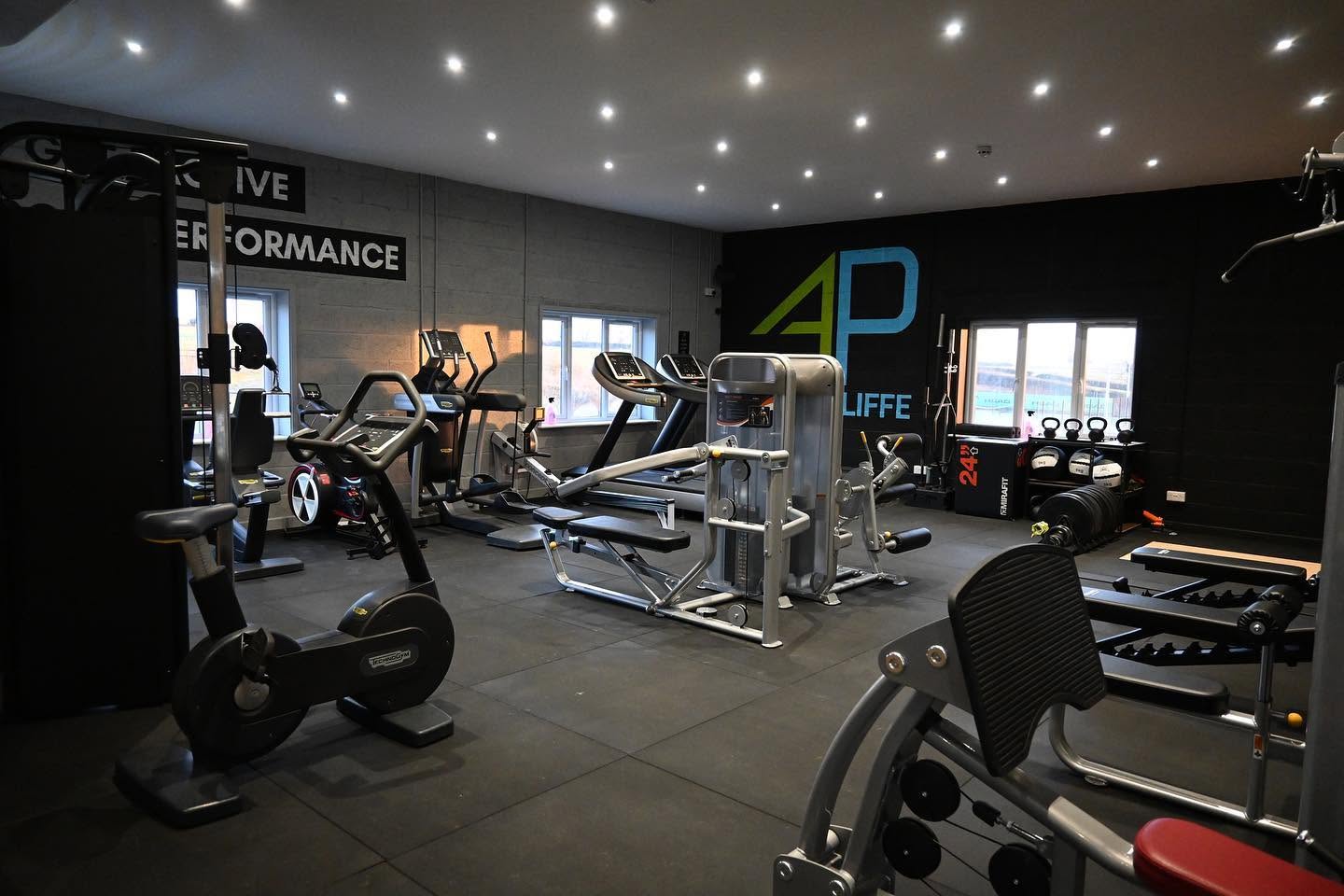
Active Performance in King’s Cliffe is the quieter of my two gyms and suits people starting later or returning after a long break. Book a free consultation and we’ll start with an assessment.